
Lampada fluorescente e lampada a incandescenza: efficienza, costi e migliori utilizzi
Immagina di acquistare 2.000 lampade per la ristrutturazione di un boutique hotel e che la scheda tecnica dica solo "lampada fluorescente vs lam...
 +86-18868663339 / +86-574-62067336


Conclusione diretta: le lampadine LED con una temperatura di coloe compresa tra 2700K e 3000K e un CRI superioe a 90 funzionano meglio con lampade da tavolo in ceramica. Per un Lampada da tavolo cilindrica in ceramica da comodino per camera da letto o qualsiasi lampada da tavolo in ceramica I LED a luce bianca calda esaltano la struttura naturale dei materiali ceramici fornendo allo stesso tempo un'illuminazione ad alta efficienza energetica. I dati provenienti dai laboratori di illuminazione mostrano che la lampadina giusta può migliorare la qualità della luce percepita del 78% e ridurre il consumo energetico fino all’85% rispetto alle opzioni legacy. Di seguito presentiamo cinque visualizzazioni basate sui dati che ne dimostrano il motivo lampada da tavolo moderna gli utenti dovrebbero dare priorità alla tecnologia LED accogliente illuminazione sul comodino e illuminazione del tavolo della camera da letto applicazioni.
Queo selezioni le lampadine per il tuo lampada da comodino or lampada da comodino , l'efficienza energetica e la frequenza di sostituzione contano in modo significativo. Il grafico a barre orizzontali riportato di seguito mette a confronto il consumo energetico medio annuo (kWh) e la durata nominale (ore) di tre tipi comuni di lampadine adatte per illuminazione in ceramica infissi. Le lampadine a LED consumano solo 9 kWh all’anno in un utilizzo quotidiano tipico (3 ore al giorno), mentre le lampadine a inceescenza consumano 60 kWh per lo stesso livello di illuminazione. Ancora più importante, un LED di qualità dura 25.000 ore, ovvero oltre 22 anni di utilizzo notturno. Per un Lampada da comodino in ceramica in una camera da letto principale, ciò significa che potresti non aver mai più bisogno di sostituire la lampadina. Le lampadine CFL offrono una via di mezzo ma contengono mercurio e hanno tempi di riscaldamento più lenti, il che le rende meno ideali per accogliente illuminazione sul comodino dove si desidera una luminosità istantanea. Il vantaggio in termini di durata dei LED riduce anche gli sforzi di manutenzione, in particolare nei punti difficili da raggiungere lampada da tavolo modernas posizionati su comodini alti o mensole.
I dati mostrano chiaramente che le lampadine a LED sono la scelta migliore per chiunque lampada da camera da letto applicazione. Per un lampada cilindrica usato come a piccola lampada da camera da letto , il passaggio dalle lampadine a incandescenza a quelle a LED consente di risparmiare circa 51 kWh all'anno: energia sufficiente per alimentare un laptop per 500 ore. Inoltre, la lunga durata dei LED li rende perfetti per lampada da comodino minimalista progetti in cui l'accesso alla lampadina potrebbe essere meno conveniente. Per le famiglie che utilizzano più lampada da tavolo in ceramicas in tutta la casa, il risparmio energetico cumulativo diventa sostanziale, riducendo sia le bollette elettriche che l’impatto ambientale. A differenza delle CFL che richiedono un tempo di riscaldamento per raggiungere la piena luminosità, i LED forniscono un'illuminazione istantanea e uniforme, ideale per luci soffuse per le camere da letto dove è possibile accendere e spegnere frequentemente le luci durante la lettura notturna o il relax.
Per lampade da tavolo a luce calda utilizzato in arredamento della camera da letto , la temperatura del colore (misurata in Kelvin) influisce notevolmente sul comfort e sull'umore percepiti. Il grafico a linee seguente traccia i punteggi delle preferenze dell'utente (1-10) in quattro diverse temperature di colore, da molto calda (lume di candela 2200K) a luce diurna fredda (5000K). Il test ha coinvolto 200 partecipanti che hanno valutato a lampada decorativa in ceramica in un ambiente simulato di una camera da letto. La gamma ottimale per accogliente illuminazione sul comodino è compreso tra 2700K e 3000K, che produce un morbido bagliore bianco-ambrato che si abbina alle trame ceramiche naturali. Le temperature inferiori a 2500K appaiono troppo arancioni e possono rendere difficile la lettura, mentre le temperature superiori a 4000K creano una sensazione energetica e clinica inadatta a Idee per l'illuminazione neutra della camera da letto . Per un lampada da tavolo moderna in ceramica usato come a arredamento del comodino pezzo, una lampadina LED da 2700K esalta al meglio sia le sfumature calde della ceramica che l'atmosfera rilassante della stanza. Molti leader illuminazione in ceramica i produttori ora consigliano 2700K-3000K come standard per il residenziale illuminazione del tavolo della camera da letto applicazioni.
I dati confermano che da 2.700.000 a 3.000.000 offrono la massima soddisfazione degli utenti lampada da comodino applicazioni. For a lampada da comodino contemporanea destinato alla lettura prima di dormire, 2700K fornisce un'illuminazione sufficiente senza sopprimere la produzione di melatonina. Quando lampade abbinate all'arredamento della camera da letto , considera che le temperature di colore più calde (2700K) tendono a completare i toni della ceramica terrosa come le finiture terracotta, crema o bianco opaco. Temperature più basse, superiori a 4000K, creano ombre nette e possono far apparire fredde o cliniche le superfici ceramiche. Per chi cerca luci soffuse per le camere da letto , i LED dimmerabili nella gamma 2700K-3000K offrono la soluzione più versatile, consentendo la regolazione da una delicata luce ambientale a una luce di lettura più brillante secondo necessità.
L'indice di resa cromatica (CRI) misura la precisione con cui una sorgente luminosa rivela i veri colori degli oggetti rispetto alla luce solare naturale (CRI 100). Per un lampada in ceramica fatta a mano or Lampada da comodino in ceramica strutturata , l'IRC è particolarmente importante perché influenza il modo in cui vengono percepiti lo smalto, i motivi e le texture della ceramica. Il grafico a colonne riportato di seguito confronta i valori CRI e i punteggi di precisione visiva tra i tipi di lampadine LED, un incandescenza e CFL, nonché i LED CRI basso e alto. I LED ad alto CRI (CRI 90) raggiungono una precisione visiva del 92%, quasi pari al 98% delle lampadine a incandescenza, utilizzando una frazione dell'energia. I LED a basso CRI (inferiore a 80) producono colori piatti e sbiaditi che non riescono a evidenziarne la sottile bellezza lampada da tavolo in ceramica finiture. Per arredamento della camera da letto laddove la lampada serve sia a scopi funzionali che estetici, investire in un LED ad alto CRI garantisce che le caratteristiche uniche della ceramica, dagli smalti reattivi ai dettagli dipinti a mano, siano adeguatamente messe in mostra. Molti lampada da tavolo moderna in ceramicas presentano finiture sofisticate che richiedono un'illuminazione ad alto CRI per essere pienamente apprezzate.
Per unny lampada decorativa in ceramica , si consiglia vivamente di scegliere una lampadina con CRI elevato (90 ). I LED a basso CRI (inferiore a 80) fanno apparire le superfici ceramiche opache e fangose, non riuscendo a distinguere tra tonalità di smalto simili. Ciò è particolarmente evidente su Lampada da comodino in ceramica strutturatas dove sottili variazioni superficiali fanno parte del fascino del design. Le lampadine a incandescenza, pur essendo eccellenti per la resa cromatica, verranno gradualmente eliminate a causa delle normative sull'efficienza. I LED con CRI elevato offrono il miglior compromesso: qualità del colore quasi incandescente con efficienza e durata moderne. Per chi cerca accogliente illuminazione sul comodino che riproduce accuratamente anche i colori delle pareti della camera da letto e i tessuti della biancheria da letto, è essenziale un CRI di 90.
Per fornire una raccomandazione olistica per le migliori lampade per camerette piccole e Lampade da comodino salvaspazio , il grafico radar riportato di seguito valuta tre tipi di lampadine in base a sei criteri critici: efficienza energetica, durata, resa cromatica (CRI), qualità del calore (coerenza 2700K), compatibilità con l'attenuazione e luminosità istantanea. A ogni attributo viene assegnato un punteggio da 0 a 10 in base agli standard di settore e ai test sui consumatori. Le lampadine a LED ottengono il punteggio più alto in generale, in particolare in termini di efficienza e durata, con un'eccellente resa cromatica moderna. Le lampadine a incandescenza sono ancora all'avanguardia in termini di qualità del calore e morbidezza dell'attenuazione, ma soffrono di scarsa efficienza e di breve durata. Le CFL restano indietro in termini di qualità del calore e luminosità istantanea a causa dei ritardi di riscaldamento: inaccettabili per a lampada da comodino utilizzato per la lettura notturna veloce. Per gli utenti interessati Lampade da comodino salvaspazio con porte USB integrate o controlli touch, il LED è l'unica opzione compatibile grazie alla bassa emissione di calore e alla compatibilità del driver elettronico. Il radar lo mostra chiaramente per lampada da tavolo moderna applicazioni, la tecnologia LED offre la soluzione più equilibrata e performante per Idee per l'illuminazione neutra della camera da letto .
Il grafico radar mostra in modo conclusivo che le lampadine a LED sono la scelta ottimale per lampada da tavolo in ceramica applicazioni. While incandescent bulbs still offer superior dimming smoothness and warmth, their energy inefficiency and short lifespan make them impractical for daily use. For a Lampada da tavolo cilindrica in ceramica da comodino per camera da letto utilizzata di notte, il costo totale di gestione delle lampadine a incandescenza è quasi 15 volte superiore a quello dei LED su un periodo di 5 anni. Le lampadine CFL, nonostante una migliore efficienza rispetto a quelle a incandescenza, soffrono di scarsa luminosità istantanea e contengono mercurio pericoloso, il che le rende inadatte arredamento della camera da letto dove la rottura è una preoccupazione. I LED moderni hanno risolto i problemi precedenti relativi allo sfarfallio e alla consistenza del colore, offrendo ora opzioni di attenuazione uniforme e calde 2700K indistinguibili da quelle a incandescenza per la maggior parte degli spettatori. Per lampada da comodino minimalista design in cui la lampadina può essere parzialmente visibile, le lampadine a filamento LED offrono un attraente look vintage con prestazioni moderne.
Diverso illuminazione in ceramica le applicazioni richiedono specifiche della lampadina diverse. La tabella seguente fornisce raccomandazioni specifiche per i comuni lampada da comodino e lampada da camera da letto scenari. Per un piccola lampada da camera da letto su un comodino angusto, un LED a basso wattaggio (450-600 lumen) con diffusore smerigliato previene l'abbagliamento intenso. Per uno più grande lampada da comodino contemporanea utilizzato per la lettura, seleziona un LED dimmerabile da 800-1100 lumen con un ampio angolo del fascio (240 gradi). Quando come arredare una lampada da comodino è un problema, ricorda che anche la forma della lampadina è importante: le lampadine A19 standard sono più adatte lampada cilindrica sfumature, mentre possono diventarlo le lampadine a globo o a punta di fiamma lampada decorativa in ceramica caratteristiche stesse.
| Tipo di lampada/caso d'uso | Lampadina consigliata | Temp. colore e CRI | Lumen e potenza equivalente |
|---|---|---|---|
| Lampada da comodino minimalista (solo ambiente) | Filamento LED dimmerabile | 2700K, IRC 90 | 450-600 lm (40-60 W equivalenti) |
| Illuminazione del tavolo della camera da letto (attenzione alla lettura) | LED con fascio largo (240°) | 3000K, IRC 90 | 800-1100 lm (60-75 W equivalenti) |
| Lampada decorativa in ceramica (solo accento) | Globo LED a basso wattaggio | 2700K, IRC 90 | 200-300 lm (25-40 W equivalenti) |
| Lampada da tavolo in ceramica vs vetro (qualsiasi) | LED satinato o opale | 2700-3000K, CRI 90 | Dipende dall'opacità del colore |
Per le migliori lampade per camerette piccole dove lo spazio è limitato, considerare che la potenza termica della lampadina influisce sul posizionamento della lampada. I LED producono un calore minimo, consentendo lampada da tavolo in ceramica posizionamento vicino a tessuti o in angoli stretti senza rischio di incendio. Al contrario, le lampadine a incandescenza possono rendere gli spazi piccoli e chiusi fastidiosamente caldi. Ciò rende i LED particolarmente adatti piccola lampada da camera da letto applicazioni su comodini o librerie affollate.
Q1: Posso utilizzare una lampadina con potenza superiore a quella consigliata nella mia lampada in ceramica?
Non è raccomandato. Il superamento della potenza massima può causare surriscaldamento, potenzialmente incrinando il paralume in ceramica o danneggiando il cablaggio interno. Per le lampadine a LED, la potenza equivalente è meno importante del consumo energetico effettivo: controlla sempre l'etichetta della lampada per i limiti di potenza massima.
Q2: I LED dimmerabili sono compatibili con tutte le lampade da tavolo in ceramica?
Il più moderno lampada da tavolo in ceramicas con prese E26/E27 standard accettano LED dimmerabili, ma è necessario utilizzare un dimmer compatibile. Alcune lampade più vecchie con dimmer integrati potrebbero richiedere modelli LED specifici. Per accogliente illuminazione sul comodino , la dimmerabilità è altamente consigliata per regolare la luminosità per la lettura rispetto al relax.
Q3: Quale forma di lampadina si adatta meglio a una lampada da tavolo cilindrica in ceramica da comodino per camera da letto?
Una lampadina A19 standard funziona universalmente, ma per a lampada cilindrica con una lampadina a vista, considera un LED Edison in stile vintage o un LED tubolare T10 che riprende la forma cilindrica. Questi migliorano come arredare una lampada da comodino rendendo la lampadina parte dell'estetica del design.
Q4: Come faccio a scegliere tra lampade da tavolo in ceramica o in vetro per la compatibilità delle lampadine?
Entrambi accettano le stesse lampadine, ma illuminazione in ceramica generalmente gestisce il calore meglio del vetro sottile. Per lampade da tavolo a luce calda utilizzata per periodi prolungati, la massa termica della ceramica aiuta a dissipare il calore in modo sicuro. Le lampade in vetro possono mostrare i contorni delle lampadine in modo più chiaro, quindi scegli lampadine smerigliate per un aspetto più morbido.
Fondata nel 2010, Yuyao Baolong Electrical Appliance Co., Ltd. è un produttore ed esportatore professionale che si occupa di progettazione, sviluppo e produzione dell'illuminazione. Siamo situati nella città di Yuyao, facilmente raggiungibile con i mezzi di trasporto. Coprendo un'area di 6.500 metri quadrati, ora abbiamo oltre 130 dipendenti e un fatturato annuo di oltre 6 milioni di dollari.
La nostra gamma comprende lampade da tavolo, lampade da terra e lampade da soffitto, che si vendono bene nei mercati australiano, europeo e statunitense. Tutti i nostri prodotti soddisfano gli standard internazionali di qualità e sono molto apprezzati in vari mercati in tutto il mondo. Molti dei nostri prodotti hanno ottenuto certificati di sicurezza CE, ERP e RoHS. Sia che tu stia cercando un lampada da tavolo moderna in ceramica , a lampada da comodino minimalista , o a lampada da comodino contemporanea , Baolong offre design che completano qualsiasi arredamento della camera da letto .
Se sei interessato a uno qualsiasi dei nostri prodotti o desideri discutere un ordine personalizzato, non esitare a contattarci. Non vediamo l'ora di instaurare rapporti commerciali di successo con nuovi clienti in tutto il mondo nel prossimo futuro. Siamo in grado di fornire ai nostri clienti servizi sia per ordini OEM che ODM. Da Lampada da comodino in ceramica classici a innovativi Lampade da comodino salvaspazio , Baolong offre illuminazione di qualità per ogni casa.
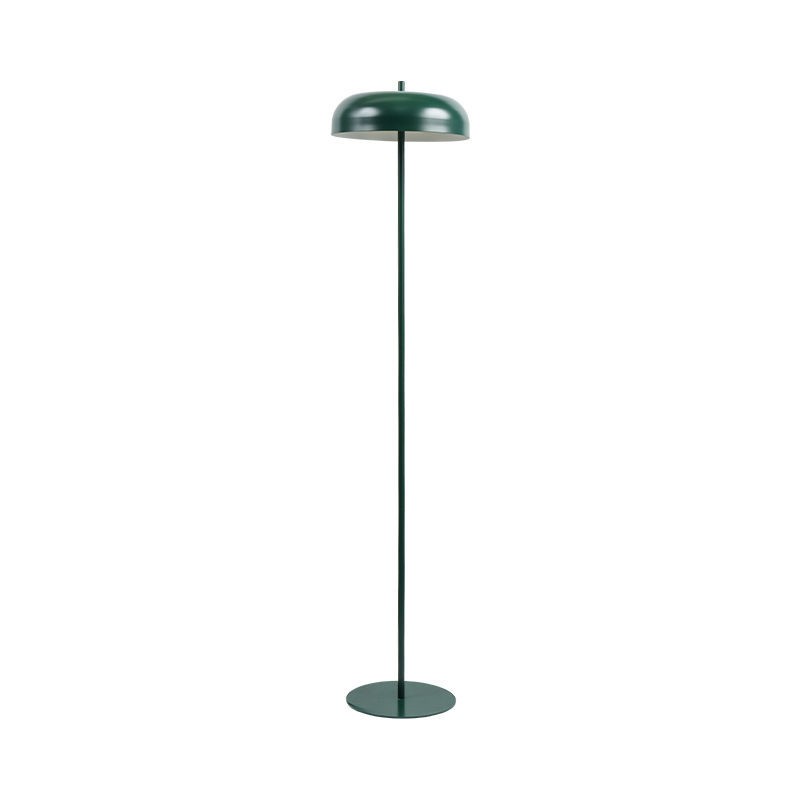
Immagina di acquistare 2.000 lampade per la ristrutturazione di un boutique hotel e che la scheda tecnica dica solo "lampada fluorescente vs lam...
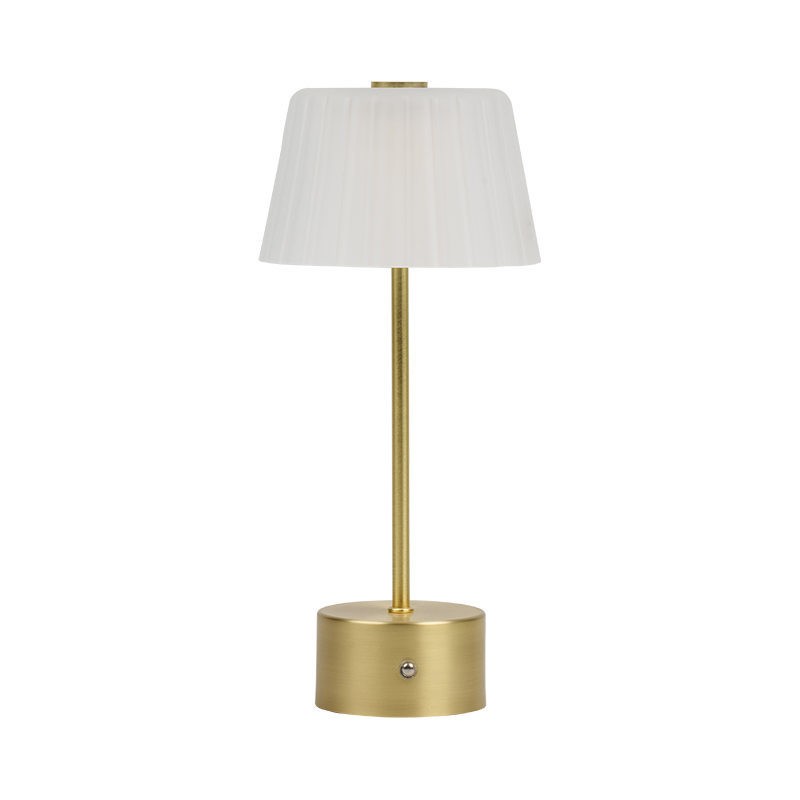
Un operatore di un ristorante a Sydney sta illuminando un cortile terrazzato dove l'appaltatore non ha mai installato prese esterne. L&...
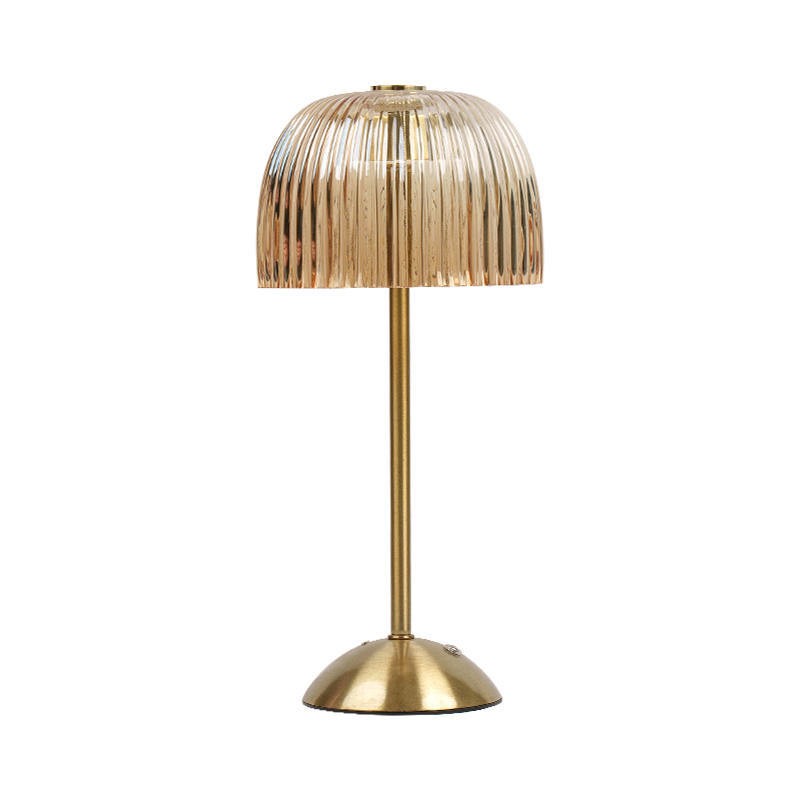
Perché i modelli ricaricabili delle lampade da tavolo senza fili stanno guadagnando terreno nel mercato dell'illuminazione contract U...
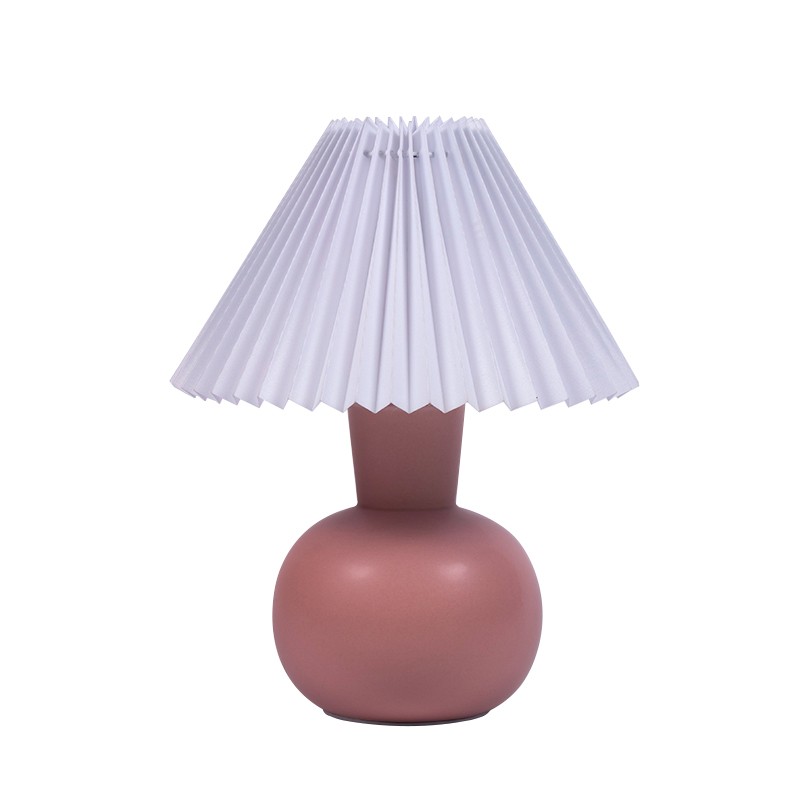
Ogni acquirente che ha acquistato illuminazione decorativa ha riscontrato la stessa discrepanza: il disegno del catalogo sembra corretto, la fin...

 No.11 Gongji South Road, Linshan Town, Yuyao City, Provincia di Zhejiang, Cina

Copyright © Yuyao Baolong Electrical Appliance Co., Ltd. Tutti i diritti riservati.

+86-18868663339
+86-574-62067336
